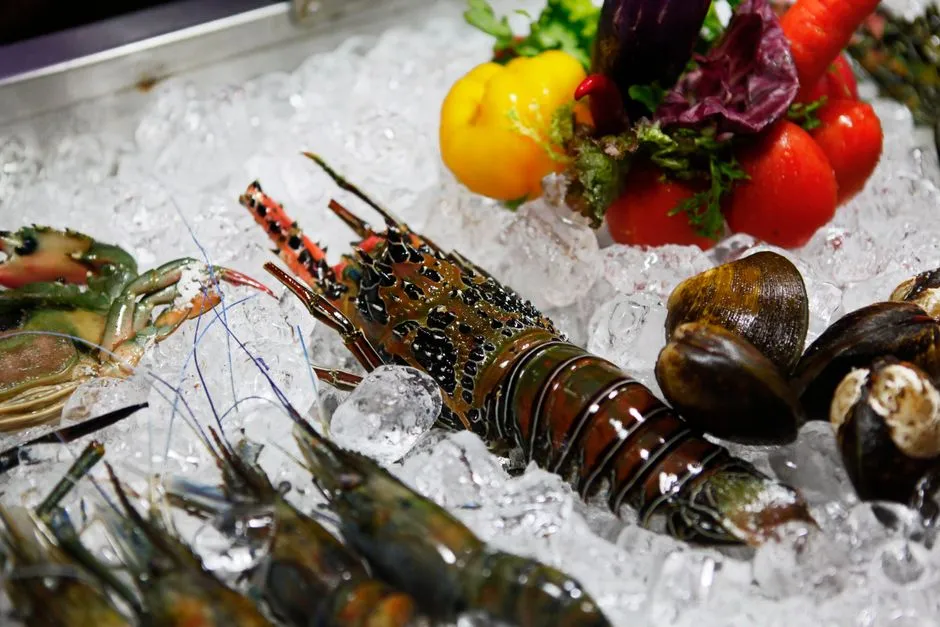
Shellfish
How to Clean Clams Before Cooking
To clean live clams, keep them cold, discard cracked shells, and tap any open shell; discard it if it does not close.
Shellfish cook in minutes and punish inattention, which is why the same cook who nails a roast chicken can serve rubbery shrimp. This collection is about the short, decisive window between raw and ruined: peeling and deveining shrimp, cleaning clams and mussels, and reading the opacity and curl cues that say a piece of shellfish is exactly done. We keep the safety guidance plain and correct — shrimp, lobster, and crab are done when the flesh turns pearly and opaque, and bivalves that refuse to open after cooking get discarded, not pried. Beyond safety, the goal is confidence: timing charts you can trust, methods ranked by forgiveness, and honest notes on frozen versus fresh.
To clean live clams, keep them cold, discard cracked shells, and tap any open shell; discard it if it does not close.
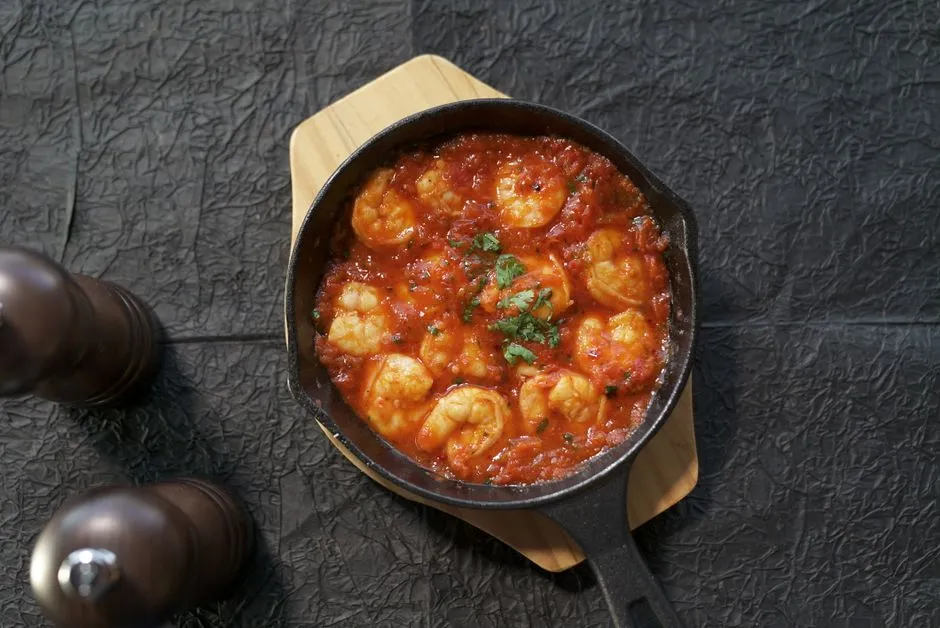
Scrub and debeard the mussels, then discard any that stay open when tapped — those are dead.
Cook shrimp hot and fast, and stop early: sauté 1–2 minutes per side over medium-high heat, poach 2–4 minutes in just-boiled water with the burner off, or…
Keep live mussels refrigerated at 40°F (4°C) or below until preparation. Discard cracked shells and apply current FDA guidance to any open shell.
To steam clams, scrub and sort live clams, place them over a shallow layer of actively steaming liquid in a wide covered pot, and remove each clam when…
The safest way to thaw frozen shrimp is overnight in a refrigerator at 40°F or below.
A shrimp count such as 21/25 means 21 to 25 shrimp per pound; lower numbers indicate larger shrimp, while higher numbers indicate smaller shrimp.